
Silicon to Silicate: Understanding the InPlanet-Microsoft Deal
On December 17, 2025, InPlanet, a trailblazing ClimateTech Carbon Dioxide Removal (CDR) company, publicly announced that they signed an agreement with Microsoft, the multinational tech conglomerate, to provide durable carbon removal and regenerative agriculture benefits in Brazil. They plan to remove more than 28,500 tonnes of carbon dioxide between 2026 and 2028.
Who is InPlanet?
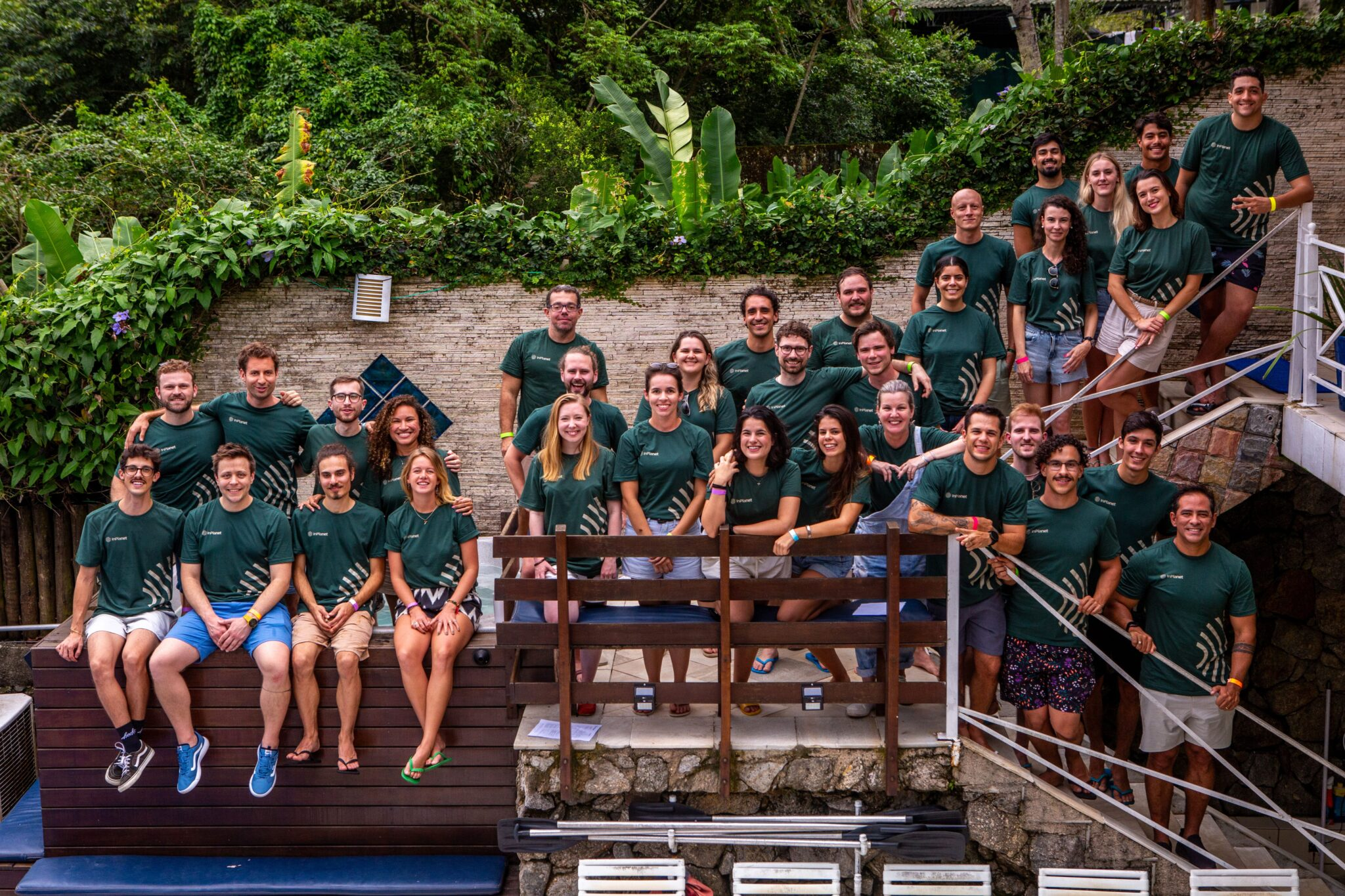
Founded in 2022 and based in Germany and Brazil, InPlanet is an AgTech Company pioneering Enhanced Rock Weathering (ERW) as a scientifically rigorous pathway for durable CDR and regenerative agriculture. They accelerate natural weathering processes that permanently sequester CO2, concurrently improving soil fertility, boosting crop productivity, and reducing the need for agricultural inputs.
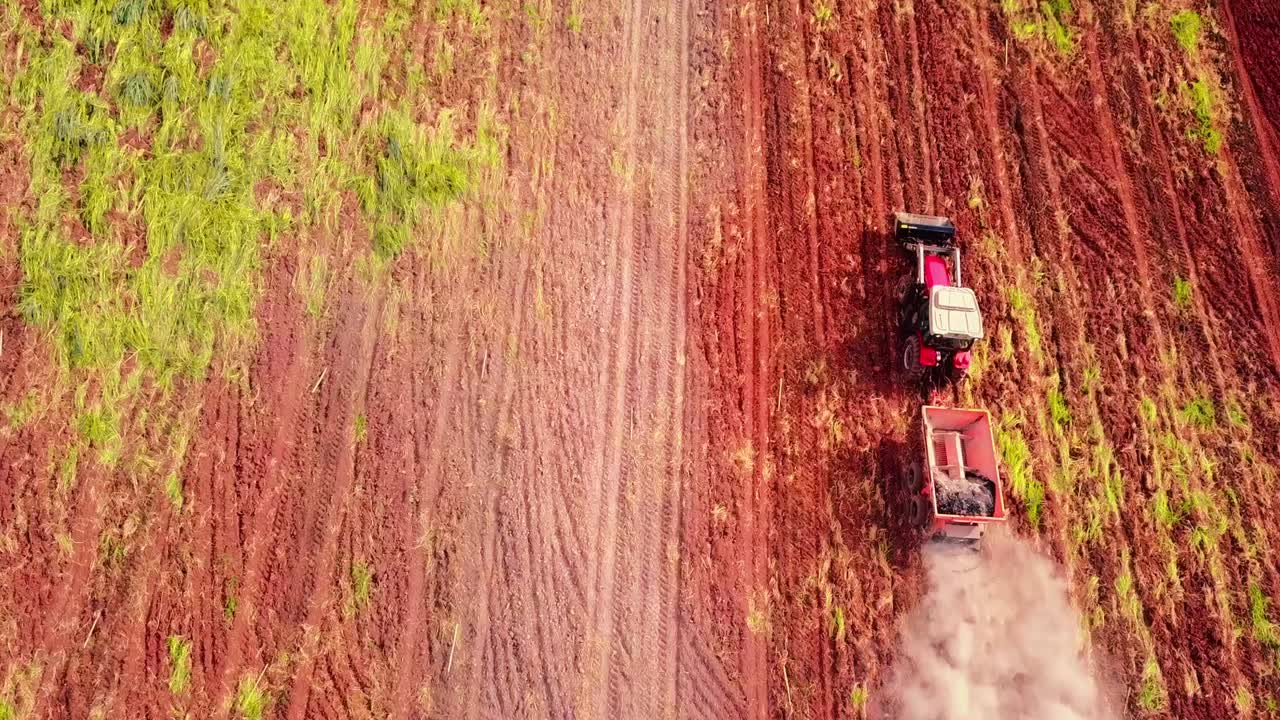
InPlanet currently has three active projects. Project Serra da Mantiqueria is located in Rio Claro, São Paulo, Brazil. The purpose of this project is to remove carbon durable through the application of locally sourced basaltic rock powder, at an application rate of 10t/Ha, whilst restoring degraded soils.
Project Araçari is located in São Paulo, Brazil. It spreads basalt rock powder on orange plantations. The purpose of this project is to remove carbon durably through the application of locally sourced basaltic rock powder while restoring degraded soils. The rock powder is sourced from a local feedstock supplier and is a certified remineralizer, which is legally certified for agronomic application with strict physio-chemical and mineralogical requirements.
Project Dourado, the newest project, applies rock power to pasture, sugarcane, and soybean farms. This is the newest of InPlanet’s projects and the first credits are expected to be in 2026 and ending in 2030. This is one of InPlanet’s ERW projects, which uses Earth’s natural chemical weathering process to remove carbon dioxide from the atmosphere.
Here is a link to a summary of InPlanets’ current projects.
Microsoft’s Corporate Responsibility
Microsoft, founded in 1975, is known for developing and selling software, hardware, and cloud services. Their primary mission within sustainability is to “combine bold commitments, strategic partnerships, and the transformative power of AI to accelerate progress toward a shared sustainable future”. Their aim is to develop technology that empowers sustainable progress worldwide and advances their goals of protecting ecosystems and being carbon negative, water positive, and zero waste by 2030. Microsoft is currently the single largest corporate buyer of carbon removal in the world and now a top funder of ERW.
Microsoft has announced the aim to be carbon negative by 2030, with an additional goal of removing the equivalent of their historical emissions by 2050. They detail their CO2 removal prerequisites on their sustainability page and describe how they will look for best-in-class natural and engineered solutions that achieve net negativity, scientific verification, and social and environmental benefits.
They also provide “Buyer’s principles for responsible ERW,” which are as follows:
- Minimize risks of harm to farms and ecosystems
- Use empirical measurements to validate rock weathering and determine credit generation in early deployments until models are more fit to purpose
- Ensure conservative accounting of measurement uncertainties, post-field carbon leakage, lifecycle emissions, and other potential CDR losses
- Commit to best practices for scientific data sharing
Scalable ERW in Brazil
Currently, high-income countries are leading early deployment of ERW, but it is projected that Brazil will overtake them by mid-century due to accelerated uptake and favorable biophysical conditions. Tu et al. argue that the share of carbon removal from low- and lower-middle-income countries is projected to rise from 20-29% in 2040 to ~60% by 2100. Thus, highlighting ERW’s potential contributions to climate mitigation and an inclusive and equitable transition.
Brazil holds one of the most promising landscapes on the planet for substantial, high-quality CDR through enhanced rock weathering. It is a country containing vast and varying farmland, a tropical climate, and heavy rainfall. Most importantly, Brazil has abundant basalt deposits, which can support sustainable rock sourcing by removing the need for long distance hauling of these materials. In addition, ERW materials are fully certified for agricultural use in Brazil, making it easier, faster, and a more credible approach for agricultural carbon dioxide sequestration.
Brazil is also on track to implement a national carbon registry to solidify their future emissions trading system, the Sistema Brasileiro do Comércio de Emissões (SBCE), by 2030. On March 6, the Permanent Technical Advisory Committee (CTCP) was announced, which is an advisory body responsible for providing technical input and recommendations to support the development and improvement of the carbon registry system. This committee will work to ensure that Brazil is the front runner of the global race to become the world’s carbon credit trading hub. When this carbon registry comes to fruition, it will only further legitimize these carbon credits coming out of Brazil under Article 6 of the Paris Agreement, solidifying Brazil as the leading country for implementation of soil remineralization and CDR projects.
So what?
High income countries in the global north have the financial capacity for early research and development within ERW, but do not have the ideal climate, which Brazil and other tropical countries possess. Successful ERW relies on a chemical reaction between rock, water, and CO2. The tropical climate of Brazil accelerates this reaction in a way that is not possible in countries in the global north. Brazil also holds an abundance of basalt as a byproduct of its mining industry. Using this otherwise wasted material on Brazil’s extensive farmland turns this logistical burden into a carbon-sequestering asset.
As a champion of regenerative agriculture, Brazil has long led the soil remineralization movement, spreading silicate rock dust to improve soil fertility. This reduces the need for synthetic fertilizers, protects waterways, and improves the health and nutrient density of crops and the humans and livestock that rely on them. Brazil is the only country in the world to have a parliamentary mandate treating soil remineralization as a soil amendment. The institution of ERW allows for quantification of the carbon capture process that occurs naturally through soil remineralization, creating a new revenue stream for farmers already utilizing remineralization. This will create a framework for other countries to follow suit throughout their own equitable transition.
Climate finance is undergoing a critical transition with the projected shift of control of the carbon market from high-income countries to low- and middle-income countries. This results from a broader pattern, with the high-income countries’ carbon reduction plans shaped by cost-effectiveness and the low- and middle-income countries’ carbon reduction plans shaped by efficiency and urgency. High-income countries have historically dominated the carbon market, but they are not implementing a green transition fast enough.
The InPlanet and Microsoft deal can serve as a pilot for a new global carbon trade architecture. Brazil is creating domestic rules by accelerating the SBCE, which can help to instill confidence in prospective carbon credit purchasers, similarly to Microsoft. This provides the framework to allow Brazil to sell its credits globally, aligned with Article 6 of the Paris Agreement. Article 6.2 allows Brazil and other nations (or companies) to trade ‘mitigation outcomes’ to meet climate targets, and Article 6.4 creates a UN-supervised standard for these credits, which prevents double-counting of credits when both Brazil and the buying country claim the same credit.
Microsoft is not only buying carbon credits, but also working to improve the ERW industry as a whole. In addition to this monumental partnership, with InPlanet and Microsoft’s sizable financial contribution to ERW projects, they are also funding a public database to increase data transparency. All anonymized data from this partnership will be shared through Cascade Climate’s ERW Data Quarry. The database supports industry-wide scientific research. This shift from non-disclosed corporate data to public climate information will provide the digital infrastructure necessary to standardize ERW globally and reduce uncertainty for future researchers and investors.
As Microsoft de-risks the market and InPlanet solidifies the monitoring, reporting, and verification, Brazil’s SBCE registry provides the institutional legitimacy which is required to scale ERW on the world stage. This creates a replicable and scalable framework which can be exported, leveraging Article 6 of the Paris Agreement to help turn regional ecological advantages into a reduction in global atmospheric emissions.
Brianna Ortiz is an environmental policy researcher who holds an MSc in Environmental Policy and Regulation from the London School of Economics, complemented by B.A. degrees in Environmental Studies and Political Science from DePaul University. Brianna’s work sits at the intersection of innovation and equity, with a specialized focus on AI agricultural technology, regenerative agriculture, and environmental justice.
Support us on Patreon
Thank you for joining us today! Please become a member of RTE and support us on Patreon. Unlike many larger organizations, we work with a team of determined and passionate volunteers to get our message out. We aim to continue to increase the awareness of remineralization to initiate projects across the globe that remineralize soils, grow nutrient dense food, regenerate our forests’ and stabilize the climate – with your help! If you can, please support us on a monthly basis from just $2, rest assured that you are making a big impact every single month in support of our mission. Thank you!


Got something to say?