
Can Rock Dust Soak Up Carbon Emissions? A Giant Experiment Is Set to Find Out
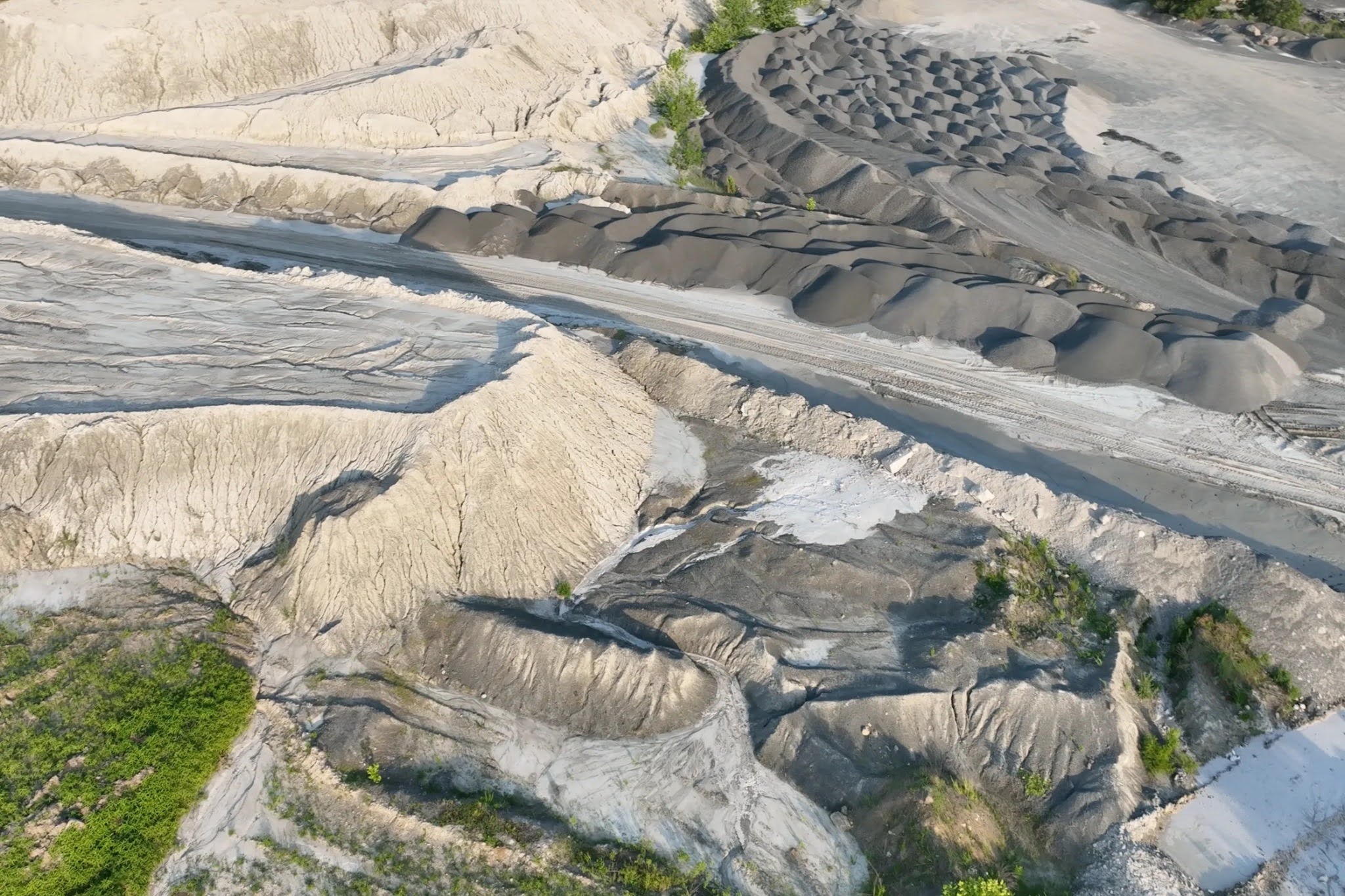
Photo courtesy of Lithos Carbon
For decades, basalt dust was considered a low-value byproduct of the mining industry. Today, it has become the focus of one of the most ambitious experiments in atmospheric carbon removal.
When Lithos Carbon co-founder Mary Yap first saw massive piles of basalt dust at a quarry in North Carolina, she saw more than industrial waste. “When we saw these enormous mountains of basalt dust, we realized this could become a truly meaningful solution,” Yap recalled.
As the latest development in the story, Frontier, a carbon removal initiative backed by companies including Stripe, Alphabet, Meta, and Shopify, announced a $57.1 million purchase agreement with Lithos Carbon. The project aims to spread basalt dust across thousands of acres of U.S. farmland, with the goal of removing approximately 154,000 tons of CO₂ by 2028. For comparison, the average passenger vehicle in the United States emits about four tons of CO₂ annually.
For the young carbon removal industry, this agreement represents Frontier’s largest purchase to date in the field of Enhanced Rock Weathering (ERW) and one of the largest commercial tests of the technology ever undertaken.
The future growth of ERW is closely linked to the development of carbon removal markets. Today, many projects are financed not through the sale of agricultural products, but through the purchase of carbon credits by companies seeking to meet their climate commitments. These mechanisms help cover the costs of transporting basalt, applying it to farmland, and monitoring outcomes. However, the long-term viability of the market will depend on how accurately and transparently the actual volume of carbon removal can be measured and verified.
Speeding Up Nature
At the heart of ERW technology lies a process that Earth has been using for millions of years.
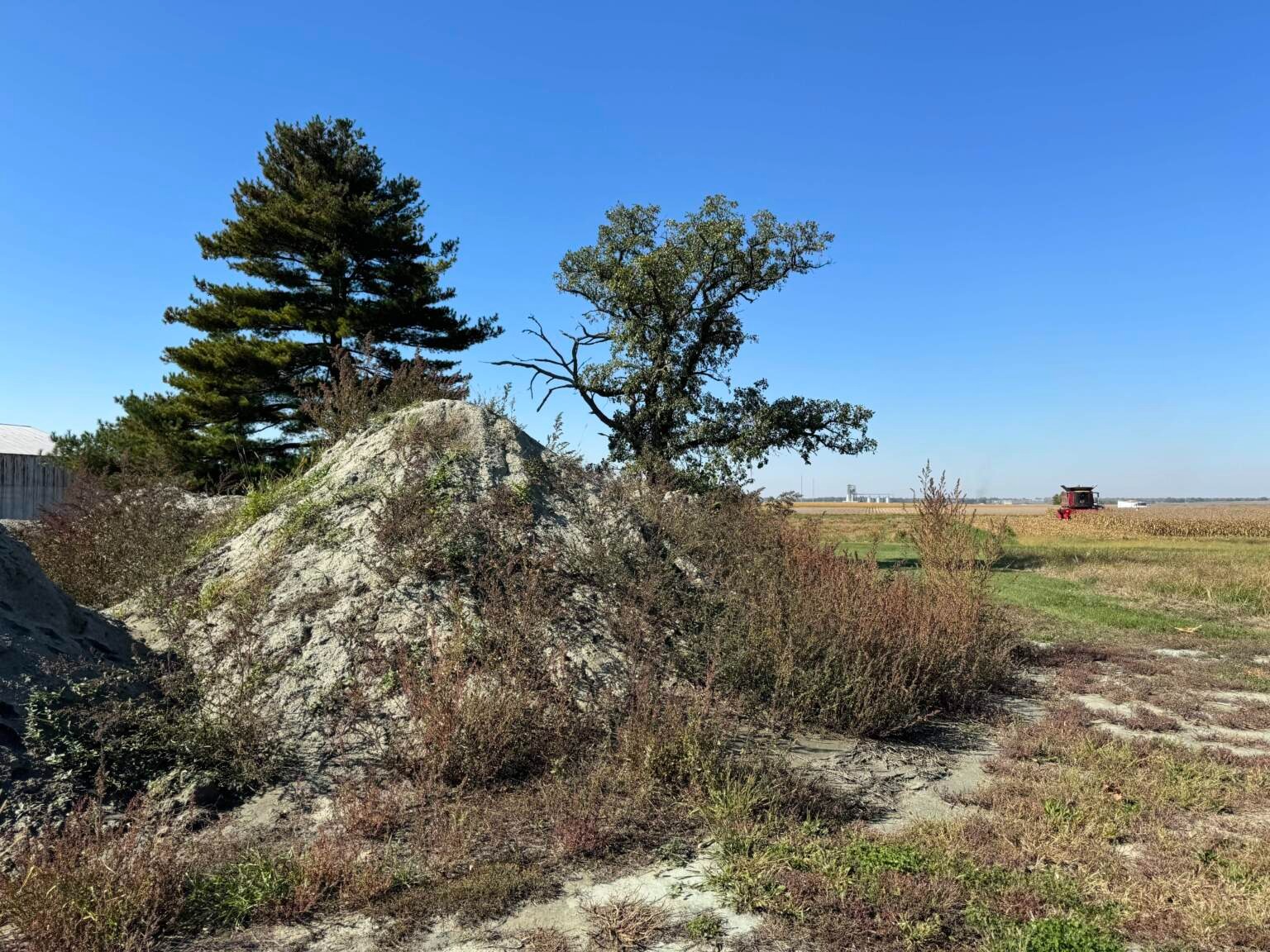
Rainwater is naturally slightly acidic. When it interacts with silicate rocks, a chemical reaction occurs in which atmospheric carbon dioxide is captured and gradually converted into bicarbonates. These compounds are then transported by rivers to the ocean, where the carbon can remain isolated from the atmosphere for very long periods of time, up to thousands of years or more.
Under natural conditions, this process is known as rock weathering. Researchers estimate that it removes approximately 1.1 billion tons of carbon dioxide from the atmosphere each year.
Supporters of Enhanced Rock Weathering (ERW) aim to accelerate this natural mechanism. To do so, basalt is crushed into a fine powder and spread across agricultural fields. By dramatically increasing the rock’s surface area, the process significantly speeds up the chemical reactions between minerals, water, and carbon dioxide.
This is why many researchers view ERW as one of the most promising nature-based carbon removal approaches currently under development.
Why Farmland?
At first glance, it may seem unusual that a climate technology is being deployed not at industrial facilities, but on farms.
However, agriculture already possesses much of the infrastructure needed to scale solutions like Enhanced Rock Weathering. Many farmers routinely apply agricultural lime to regulate soil acidity. Basalt rock dust can serve a similar purpose while providing the additional benefit of carbon removal.
For farmers, the advantages extend beyond climate mitigation. Basalt contains calcium, magnesium, potassium, and a wide range of trace minerals. In several field trials, researchers have observed higher crop yields, improvements in soil pH and increased nutrient availability. Some farmers have also reported longer periods of plant vitality and improved agricultural productivity.
These co-benefits are particularly important because the long-term success of the technology will depend not only on its climate performance, but also on how well it fits within the economic realities of modern agriculture.
The Biggest Question: How permanent is carbon removal?
Despite growing interest from investors and climate funds, the scientific community remains cautious about the true scale of the technology’s impact.
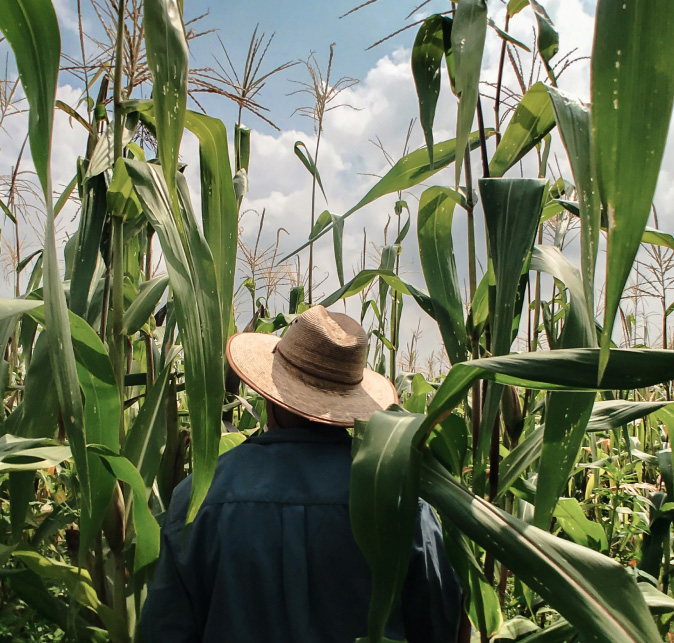
The central challenge is measurement. This is why monitoring has become one of the defining issues for the entire carbon removal industry.
For carbon removal technologies, it is not enough to simply claim that CO₂ has been removed. The removal must be quantified and verified. As a result, a rapidly evolving toolbox of Monitoring, Reporting, and Verification (MRV) systems is emerging around Enhanced Rock Weathering (ERW). Companies such as Lithos deploy monitoring equipment directly in agricultural fields to collect data on mineral dissolution, soil chemistry, and the movement of bicarbonates. In the long term, developers hope to combine field measurements with predictive modeling, reducing monitoring costs without sacrificing accuracy.
For the industry, this is also a matter of trust. If carbon removals cannot be independently verified, carbon markets will struggle to recognize such projects as reliable climate solutions.
While direct air capture facilities can measure the amount of CO₂ removed at a specific site with relative precision, ERW takes place across thousands of acres of farmland simultaneously. The rate at which minerals dissolve depends on climate conditions, soil composition, rainfall patterns, and numerous other variables.
Moreover, the carbon’s journey does not end in the field.
Once bicarbonates are formed, they move through soils, groundwater, streams, rivers, and coastal ecosystems. At each stage, some of the carbon may potentially be released back into the atmosphere. As a result, researchers are continuing to develop models capable of tracking the entire carbon pathway—from the application of basalt to its long-term storage in the ocean.
The need to answer these questions is one of the reasons behind the significant investment now flowing into the sector. Large-scale deployment will generate datasets that were previously unavailable, helping researchers better understand the effectiveness, durability, and scalability of Enhanced Rock Weathering.
Logistics May Matter More Than Chemistry
Even if the scientific concept proves successful, another major challenge remains: transportation.
Basalt is heavy. It must be transported from quarries to agricultural fields, often over considerable distances. If transportation-related emissions become too high, a significant portion of the climate benefits could be lost.
For this reason, many experts argue that the future of Enhanced Rock Weathering (ERW) will depend not only on geochemistry but also on the efficiency of supply chains. Leveraging existing quarry networks, rail infrastructure, and river transport systems could significantly reduce the technology’s carbon footprint.
Such challenges are not unique to ERW. The history of climate innovation suggests that the most successful solutions are not necessarily the most technically efficient, but those that can be effectively integrated into existing economic and operational systems.
In a broader sense, ERW represents a new type of climate infrastructure. Rather than relying on the construction of dedicated industrial facilities, the approach builds upon existing agricultural systems, supply chains, and farming communities. This makes standards, transparency, and long-term monitoring just as important as the underlying geochemical processes themselves.
As a result, researchers are increasingly shifting their attention from the chemistry itself to the practical conditions required for large-scale deployment.
From Pilot Projects to Climate-Relevant Scale
Supporters of Enhanced Rock Weathering (ERW) argue that the technology has one major advantage over many other carbon removal approaches: its potential to scale.
The foundations already exist. Farms are already in operation. Quarries already produce millions of tons of rock each year. Equipment for spreading mineral amendments is already widely used in agriculture.
Yet the path from a promising concept to a climate-relevant solution remains a long one.
Some researchers caution about the need to maintain proper perspective. Carbon removal technologies cannot replace the need for emissions reductions. Regardless of how effective ERW proves to be, it should be seen as a complement to decarbonization efforts rather than an alternative.
Researchers must demonstrate the long-term durability of carbon storage, develop robust monitoring and verification systems, assess the environmental impacts of large-scale mineral applications, and prove that the technology can become economically viable without relying indefinitely on carbon market support.
Nevertheless, interest in Enhanced Rock Weathering continues to grow. For many experts, the key question is no longer whether the underlying chemistry works, but whether humanity can organize and deploy the technology at the scale required to meet global climate goals.
The large-scale experiment now unfolding across American farmland may provide one of the first truly compelling answers.
Perhaps the most intriguing aspect of ERW is that it brings climate action out of laboratories and industrial facilities and directly onto agricultural land. Unlike many engineered carbon removal approaches, its success depends not only on technology, but also on millions of decisions made by farmers around the world.
In this sense, farmers become more than simply users of a new agricultural practice—they become active participants in the climate transition. The future of Enhanced Rock Weathering will depend in large part on their willingness to experiment with new approaches, share their experiences, and integrate climate solutions into everyday farm management.
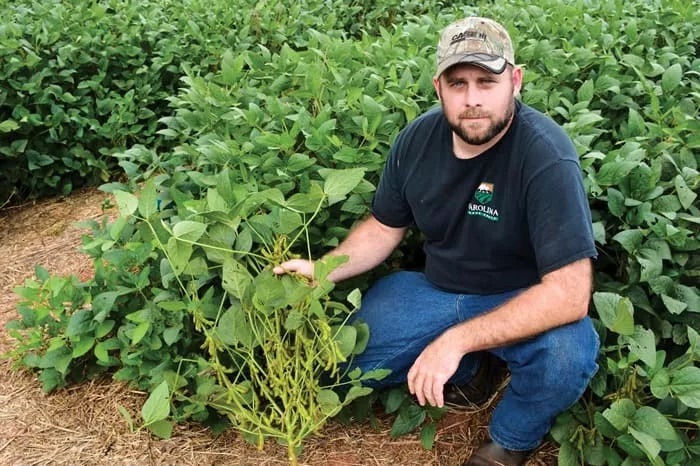
Farmer buy-in may ultimately determine whether ERW remains a promising experiment or becomes a practical climate tool. North Carolina farmer Russell Hedrick, who has tested basalt applications on his own fields, has seen that connection firsthand.“Do I think that farmers could play a role in environmental stewardship and addressing some of our climate change issues? Absolutely,” he says. “I think it’s kinda cool to be a part of that.”
It may be on these very fields that the future of Enhanced Rock Weathering is ultimately decided — whether it remains a niche experiment or evolves into one of the key tools of the global climate strategy of the twenty-first century.
Valeriia Tarasenko is a science writer and environmental policy researcher with expertise in sustainability, climate resilience, and ecological governance. She holds a Ph.D. in Public Policy from Fudan University and works at the intersection of environmental research, policy analysis, and science communication. Her writing focuses on translating complex scientific knowledge into accessible, policy-relevant insights that advance public understanding of soil restoration, climate challenges, and sustainable development.
Support us on Patreon
Thank you for joining us today! Please become a member of RTE and support us on Patreon. Unlike many larger organizations, we work with a team of determined and passionate volunteers to get our message out. We aim to continue to increase the awareness of remineralization to initiate projects across the globe that remineralize soils, grow nutrient dense food, regenerate our forests’ and stabilize the climate – with your help! If you can, please support us on a monthly basis from just $2, rest assured that you are making a big impact every single month in support of our mission. Thank you!


Got something to say?